UK energy policy decoupled from Clean Power 2030 as affordability and politics take precedence
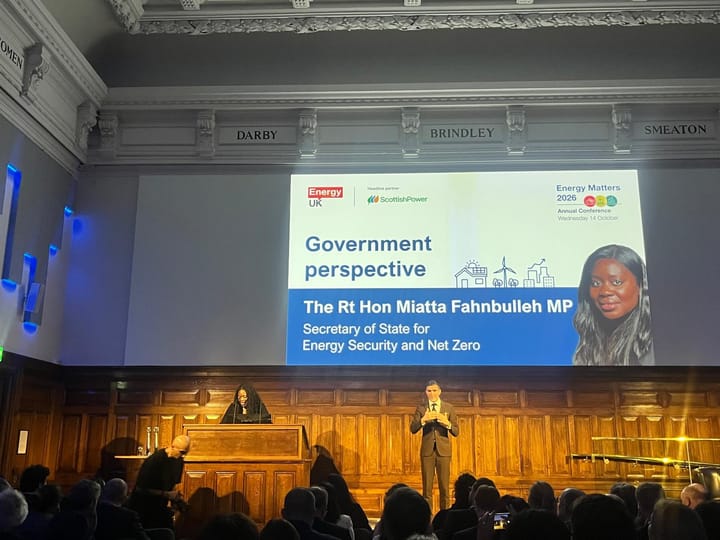
Miatta Fahnbulleh, UK Energy Secretary since July this year, addressed the industry at the annual conference of trade body Energy UK this week.


Miatta Fahnbulleh, UK Energy Secretary since July this year, addressed the industry at the annual conference of trade body Energy UK this week.
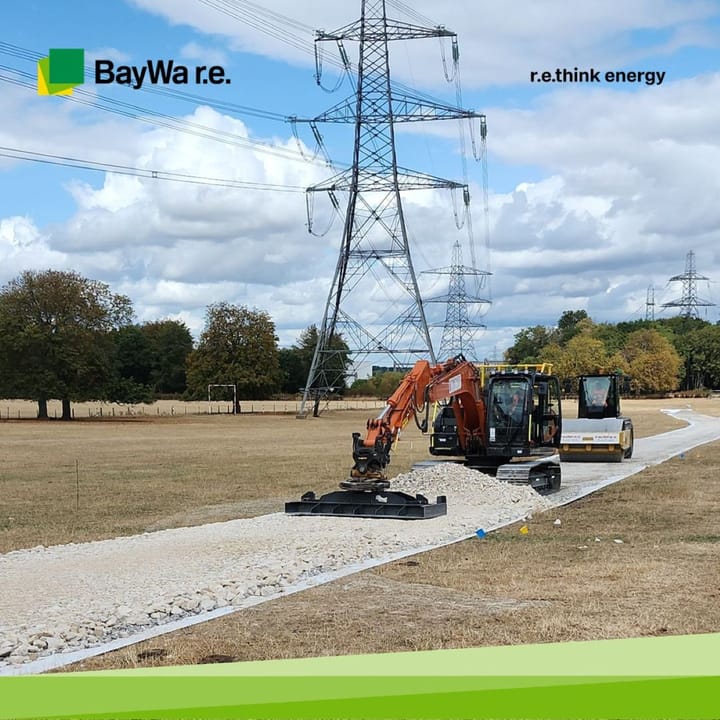
BayWa r.e.’s Oaklands Park Solar Farm is just the third NSIP to enter construction in the UK.

Unchanged from AR7, the administrative strike price (ASP) for solar PV plants is £75/MWh.

“You can only expect that things might change closer to an election,” said James Innes, head of UK development at Elyma, during a panel discussion on DCOs and NSIPs at the Clean Power 2030 Summit in London earlier this week.
“You can only expect that things might change closer to an election,” said James Innes, head of UK development at Elyma, during a panel discussion on DCOs and NSIPs at the Clean Power 2030 Summit in London earlier this week.

Panellists at the Clean Power 2030 Summit discussed the lessons learned from AR7 and what can still be improved ahead of the next CfD later this year.

“From the developer perspective it’s very challenging to have all these projects that seem exciting,” said Xela Energy’s Sophie Browning.

Speakers at the Clean Power 2030 Summit in London said that repowering and revamping will become a consideration for ageing projects under the ROC scheme.

‘If you can build an industry around those sectors … the energy transition becomes more tangible, and can deliver real economic benefits for communities,’ said Great British Energy’s Matthew Hamman.

A new Market Outlook report from consultancy LCP Delta has predicted that Great Britain will fall short of its Clean Power 2030 target by 12%.

